The One Question Underneath All The Other Questions About Faith
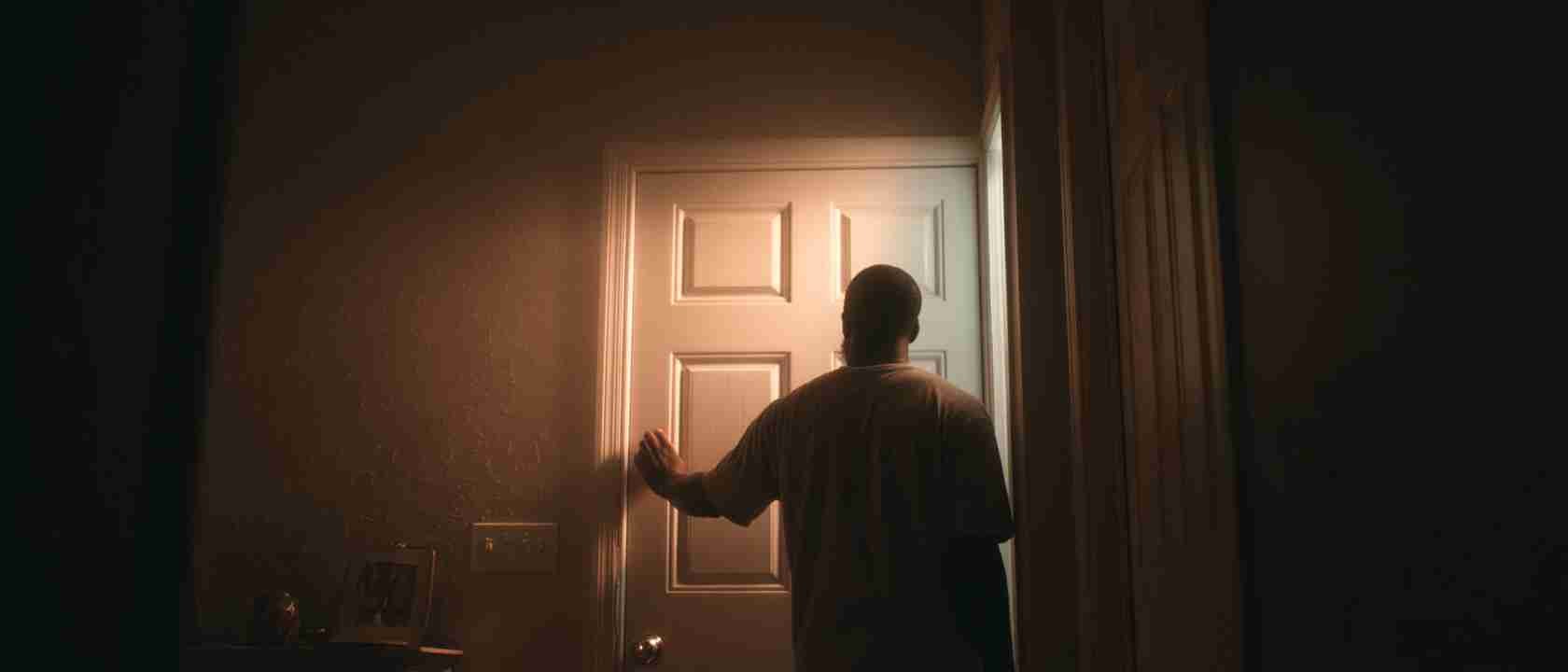
The One Question Underneath All Your Questions About Faith
I had a lot of questions.
I had questions about suffering. About the parts of the Bible I couldn't reconcile. About the church, about prayer, about why the evidence seemed to point different directions depending on who was doing the pointing. I had questions that had been sitting in the back of my head for years, and a few that I had never said out loud to anyone.
And all of them felt real. Because they were.
But somewhere in the middle of all of it, I started to notice something.
The Onion Problem
Questions about faith have a way of layering. You ask one and it leads to another. You work through something and it opens up something else underneath it. And if you keep going, keep pulling back the layers, you eventually get to the one in the middle.
The one everything else is really about.
I kept asking questions about suffering, about the Bible, about the church, about whether any of this was historically reliable. And every time I thought I was getting somewhere, there was another layer. Another question underneath the one I had just answered.
Until I got to the center.
And the center was this.
Did Jesus actually, physically, historically rise from the dead?
Not as a metaphor. Not as a spiritual idea. Not as something that lives in the hearts of people who believe it. Actually. Historically. A body that was dead on Friday that was alive on Sunday.
Because here's what I realized when I finally let myself ask it directly.
That question is load-bearing. Everything else rests on it.
Why This Question Changes Everything
If the resurrection is true, then all the other questions have a foundation to stand on. The suffering question changes shape when you're talking about a God who walked into death and came out the other side. The Bible question is different when the person it's centered on actually did what it says he did. The church question matters less when the thing the church is built on turns out to be real.
But if the resurrection isn't true, none of the rest of it holds up. The community is just community. The inspiration is just inspiration. The hope is just a story we tell ourselves to get through hard days.
I don't say that to be harsh. I say it because I think a lot of people are trying to hold onto the decorative parts of faith while quietly letting go of the load-bearing one. And it doesn't work. Not long term. Not when things get hard enough.
I've watched people do it. I've tried to do it myself. You can keep the songs and the community and the general sense that there's something bigger than you out there, and quietly set down the part that requires you to decide what you actually believe about Jesus. It feels sustainable for a while. It usually isn't.
The Questions I Was Actually Avoiding
Here's what I've come to think. A lot of us aren't really asking questions about suffering or the Bible or the reliability of the church. Those are real questions and they deserve real answers. But they're also sometimes easier to stay inside than the one in the middle.
Because the one in the middle requires a decision.
You can sit with questions about suffering indefinitely. You can debate the reliability of ancient texts for years. Those conversations have a way of staying theoretical. But when you finally ask whether Jesus physically rose from the dead, you are asking something that has a yes or no answer. And yes or no answers eventually require you to do something with them.
I think that's why a lot of people stay in the outer layers. Not because they're not smart enough to find the center question. But because they know that if they find it, they're going to have to look at it directly.
What To Do With the Question
I spent two years with this question. I turned it over. I looked at it from every angle I could find. I read people who were trying to disprove it and people who had staked their lives on it being true.
And what I found was that the question deserves a real answer. Not a dismissal. Not a "just have faith." A real, honest look at the evidence and a decision about what you actually think.
That process was uncomfortable. I won't pretend otherwise. But what came out the other side was something I hadn't had before. A faith that I had actually examined. One I could stand on because I had tested it, not just inherited it.
If you've been carrying a stack of questions and you're not sure where to start, start there. Ask the one in the middle. See what happens when you actually look at it directly.
We're a church in Matthews, North Carolina that thinks honest questions are worth asking out loud. If you've been carrying this one around for a while and you're not sure where to bring it, we'd love to be that place.
Come as you are. Bring every question you've got.